
Bat Survey
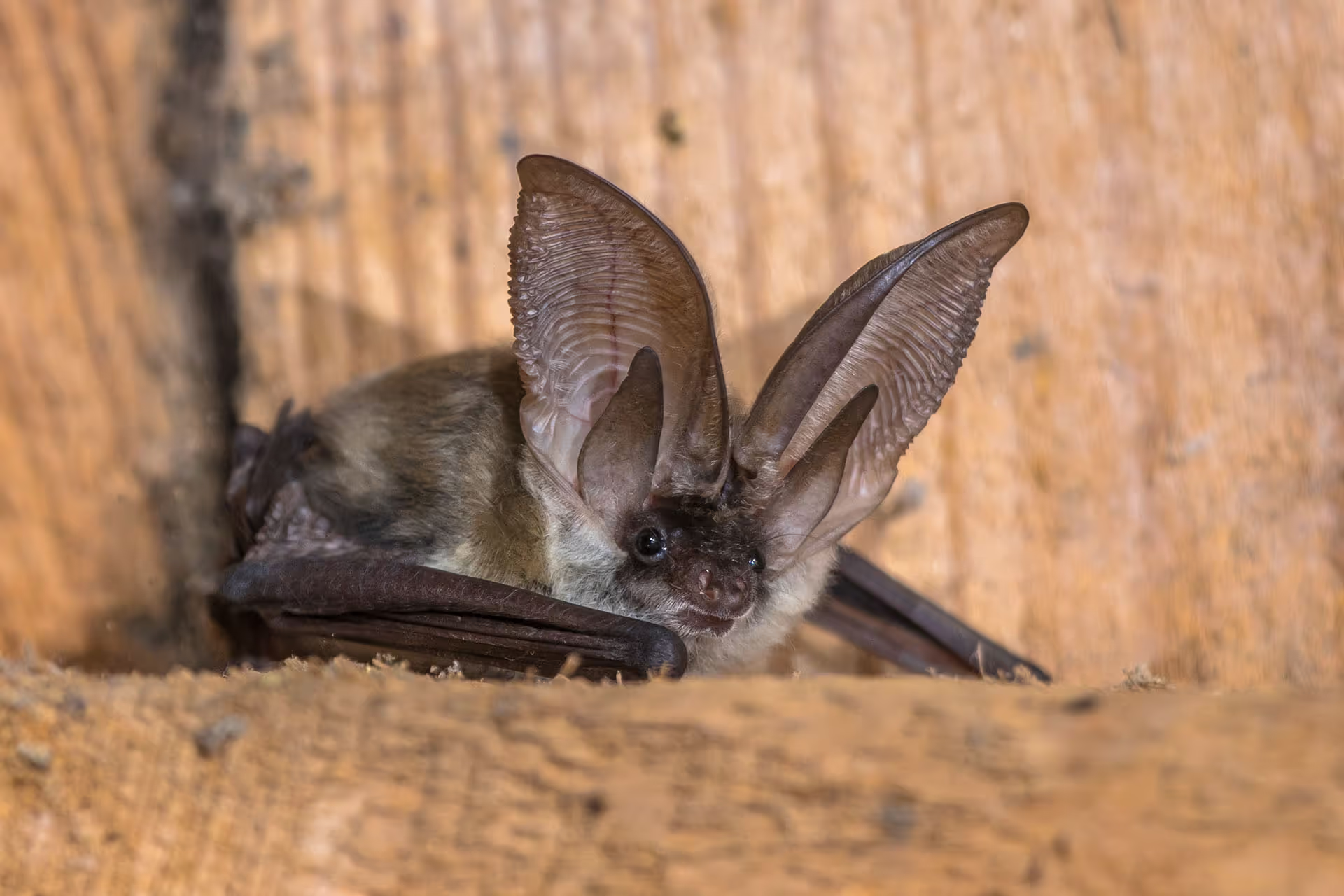
If you are proposing work that may affect a bat roost, then you will likely need a bat survey. These usually entail a Daytime Bat Walkover and Preliminary Roost Assessment, possibly followed by one or more bat emergence watches.
All species of bat are European Protected Species and are fully protected under the Wildlife and Countryside Act 1981 (as amended). These pieces of legislation make it an offence to kill, injure, capture, or disturb bats, or to damage or destroy the habitats they use for shelter and protection (roosts).
Seventeen species of bat are known to breed in the UK. Some of these species are common and widespread across country, whilst others are extremely rare. Bats use a variety of structures and features for roosting including buildings, caves, trees and bridges. Roosts within buildings can be found within loft spaces, attics, cellars, cavity walls, under roof tiles, hanging tiles and within features such as boxed eaves, soffits and wooden weather-boarding. The presence of bat roosts is highly influenced by the age, structure and ecological context of a building and rural locations with direct links to habitats such as woodland and wetland are often favoured roost sites.
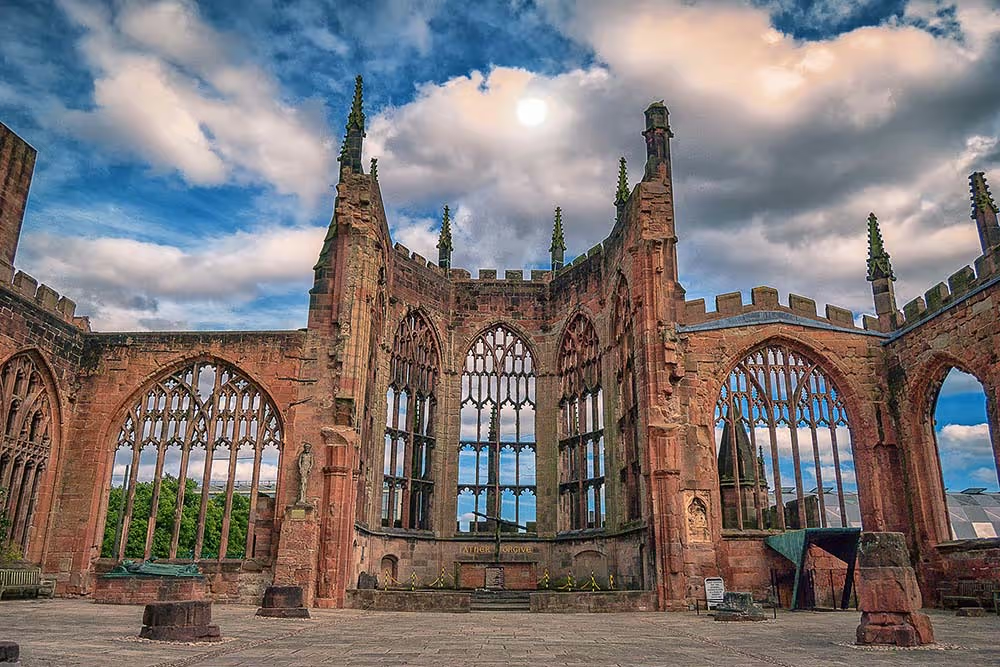
Our ecological consultants are specialists in bat surveys have a wealth of experience of undertaking bat surveys particularly of historic buildings including churches, cathedrals, listed buildings, manor houses and palaces. We have also undertaken a large number of bat surveys involving the renovation and conversion of stone barns, old agricultural buildings and redundant out buildings.
We use the latest in bat survey equipment (detectors and night vision aids) and can employ a number of specialist survey techniques including endoscopy, mist netting and harp trapping.


Featured Case Study
Berkshire - Bat Survey & Bat Licence Application
